Core Distinctions in Solar Architecture
When planning a solar installation, the first decision is choosing between an on-grid (grid-tied), off-grid, or hybrid energy system. Each caters to specific power quality environments and financial goals.
On-Grid (Grid-Tied) Solar Systems
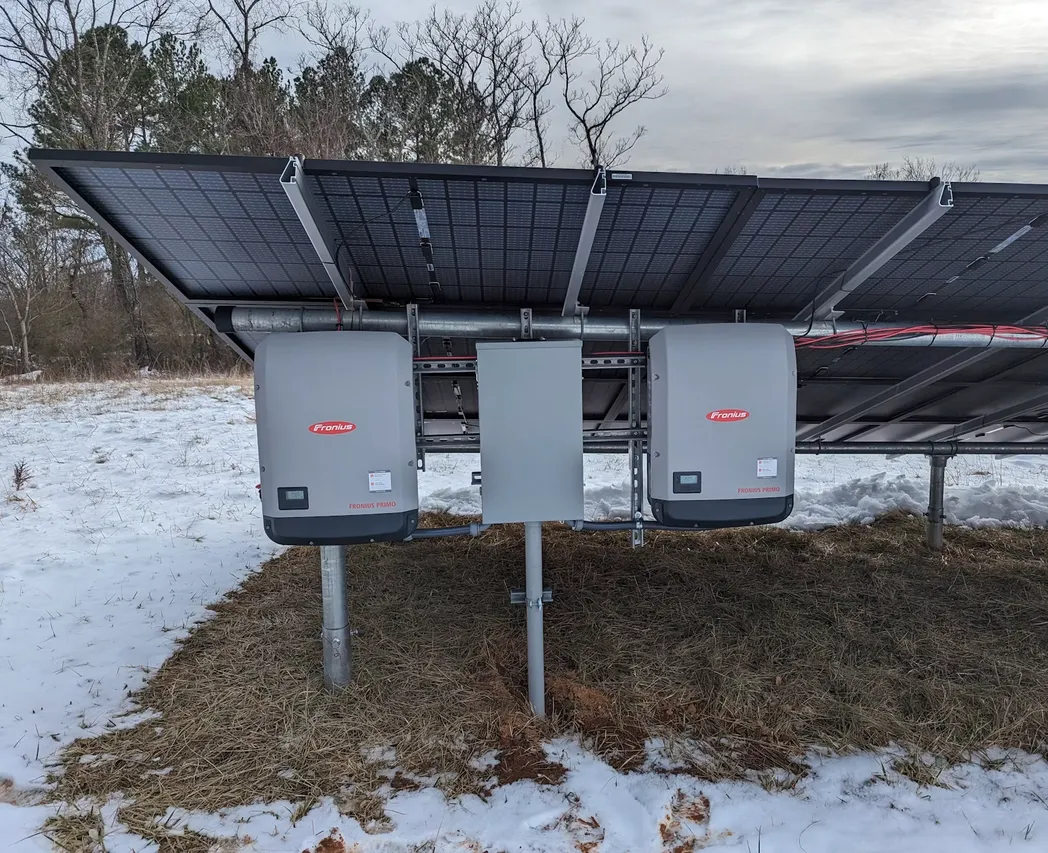
On-grid systems are synchronized directly with the local electrical grid. They do not require chemical battery banks, which makes them the most affordable and commercially viable option with the fastest ROI.
When solar generation exceeds demand, excess electricity flows automatically to the grid via net metering. However, for safety reasons (anti-islanding protection), on-grid systems shut down during utility power outages to protect linesmen working on the external grid.
Off-Grid & Hybrid Solar Systems
Off-grid systems operate independently with dedicated lithium or lead-acid battery energy storage systems (BESS). They are essential in remote agricultural, mining, or rural areas lacking reliable grid infrastructure.
Hybrid systems combine the best of both worlds: they sync with the grid for net metering while maintaining a dedicated critical-load battery backup for blackouts.
- On-Grid: Lowest Capex, zero battery replacement costs, fastest payback (3–4 years)
- Off-Grid: 100% self-reliance, higher initial expenditure, battery maintenance required
- Hybrid: High flexibility, continuous power security, medium-to-high capital investment
Ready to Evaluate Solar for Your Facility?
Solar Logics has engineered and commissioned 04+ MW of rooftop solar plants for commercial and industrial facilities across Rajasthan and 7+ states. Get a complimentary site assessment and technical irradiance report today.
Request Site Assessment →